

Beyond Fashion and Food: Italy’s Epic Sportfishing off La Maddalena, Sardinia
Lure jigging deep reefs and blue water for pelagics and reef giants.
From reef bruisers to pelagic missiles, Sardinia delivers action few anglers ever expect.
The La Maddalena Archipelago in northern Sardinia is more than just a Mediterranean postcard — beneath its turquoise surface lies one of Italy’s most dynamic and unknown sport fisheries. Surrounded by deep reefs, rocky pinnacles, and cobalt-blue channels, this area is a playground for serious anglers chasing both reef dwellers and fast-moving pelagics. From powerful amberjack and grouper to tuna and dentex, the region delivers a mix of strength and speed that keeps the reels screaming and the adrenaline high.
For this trip, we joined Stefano Adami, a highly respected local guide whose deep knowledge of the area and mastery of lure jigging techniques made all the difference.
Fishing the waters off La Maddalena demands both endurance and precision — reading currents, choosing the right jigs for depth and drift, and maintaining perfect lure control in over 100 metres of water. In this feature, we break down the tackle, techniques, and moments that defined an unforgettable day offshore with Stefano — proof that Sardinia isn’t just about beaches and cuisine, but also world-class sportfishing few travellers ever experience.
Quick Facts
- The La Maddalena Archipelago consists of more than 60 islands and islets in northern Sardinia, surrounded by pristine blue water and deep reef systems.
- Top target species include amberjack, dentex, dusky grouper, tuna, bonito — and the highly sought European sea bass, which thrives around reefs and rocky points.
- Marine biodiversity includes dolphins, sea turtles, and the occasional monk seal, adding to the archipelago’s incredible natural setting.
- The archipelago’s mix of shallow shelves and steep drop-offs allows anglers to target both reef and pelagic species within a few kilometres of shore.
- Deep-sea jigging and slow-pitch techniques are the go-to methods, allowing precise lure control in strong currents and variable depths.
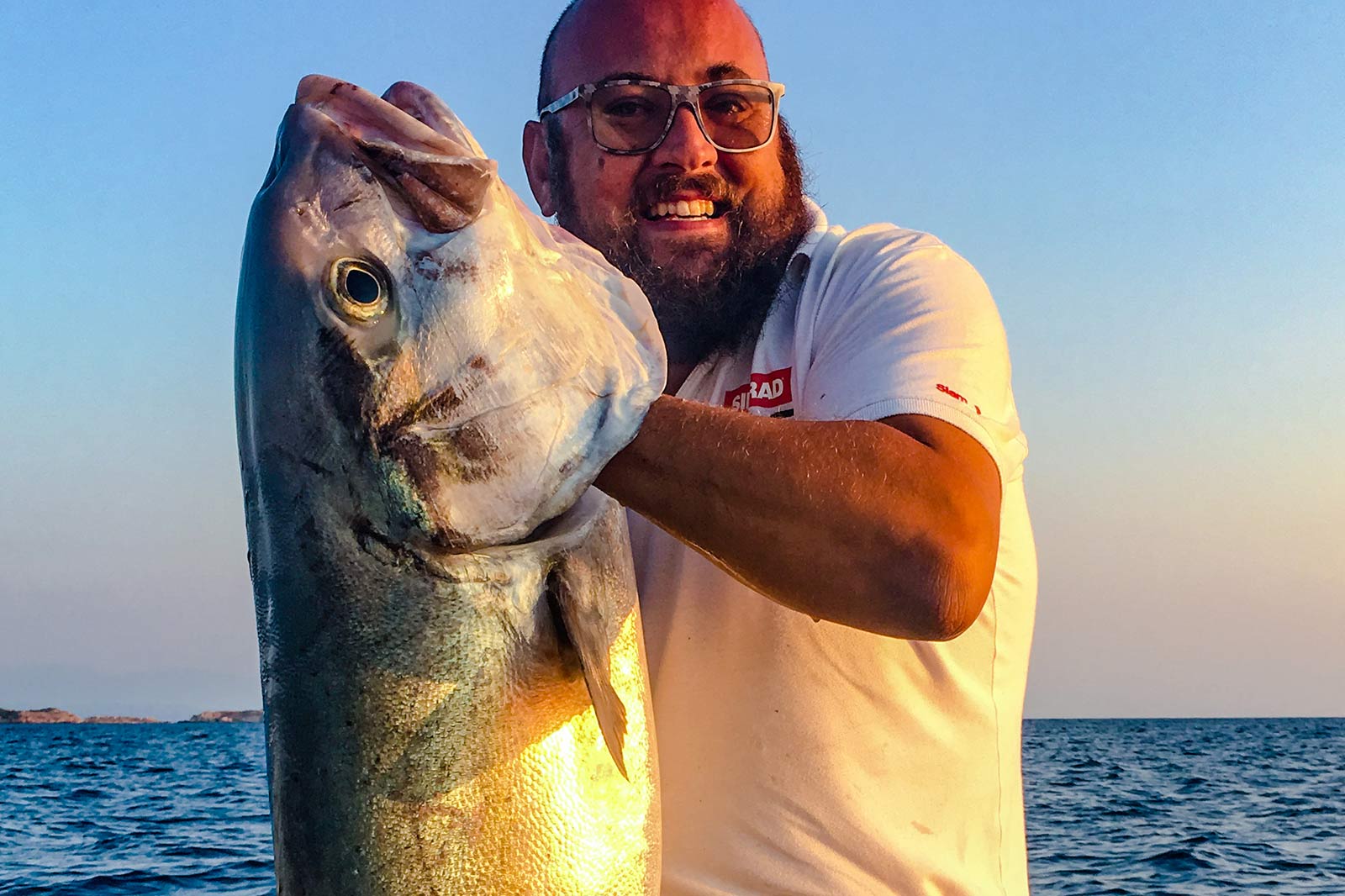
Our Guide:
Stefano Adami from Sardinia Italy
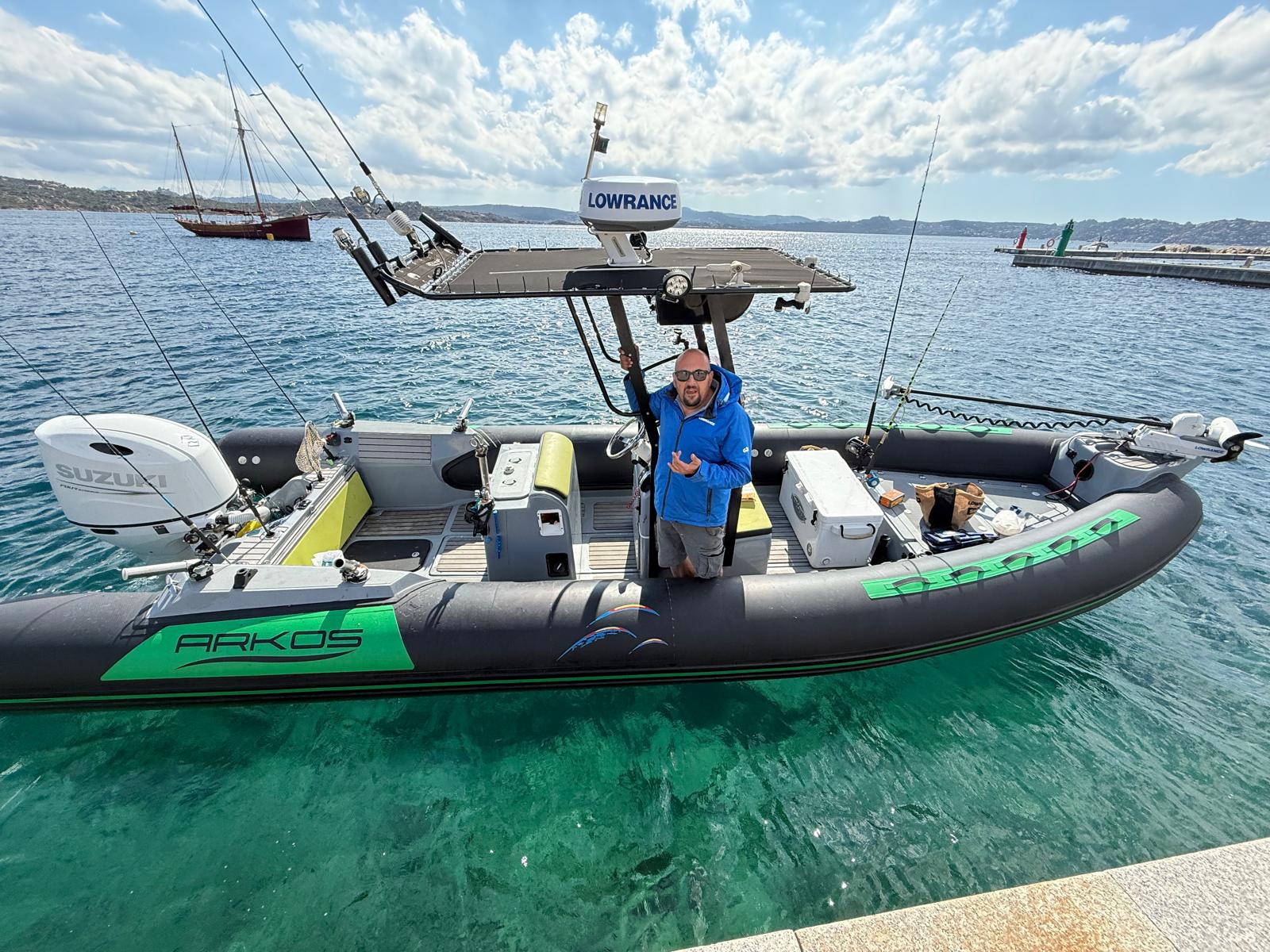
Stefano is among Sardinia’s premier sportfishing guides, leading outings from Palau into the La Maddalena Archipelago and southern Corsica for over 15 years. Armed with a deep knowledge of local reefs and bluewater edges, Stefano hosts trips targeting amberjack, dentex, grouper, bluefin tuna, seabass, and more. Beyond his guiding skills, he’s a respected YouTuber and brand ambassador for companies like Lowrance, Simrad, Artico, Suzuki, Arkos, and Railblaza. His approach combines technical precision, passion, and respect for the Mediterranean — giving clients more than a fishing trip, but a deeper connection with the sea. Stefano is also an accomplished chef, recently opening a new boutique seafood restaurant in Palau.
Picking Our Location
Launch: We launched from the main harbour petrol station, choosing spots based on current and wind.
Spot 1: We began on a 90 m deep reef 8 km offshore in the Tyrrhenian Sea during slack tide, landing five fish.
Spot 2: We moved to a deeper 120 m reef as the tide turned, landing another five fish.
Spot 3: Our third stop was a rocky drop-off, yielding two fish — the biggest of the day.
Spot 4: With the wind picking up, we began heading back, and the last spot produced three fish and a surprise octopus.
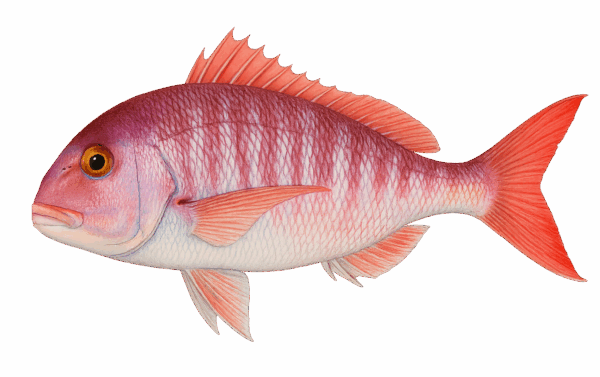
Common Dentex
Dentex dentex
Top Target Species
The Common Dentex (Dentex dentex) is one of the Mediterranean’s most sought-after sportfish, known for its pink-purple hues, vertical red bars, and the electric blue line beneath its eye. Found around Sardinia’s rocky reefs and drop-offs in 20–200 metres of water, it’s a powerful predator that hunts squid, octopus, and small fish. Fierce and fast, the dentex is a true test for anglers using vertical jigs, soft plastics, or live bait — delivering explosive strikes and unforgettable fights across the Mediterranean’s clear blue depths.
Common Species Around Sardinia

John Dory
Zeus Faber

Amberjack
Seriola Dumerili
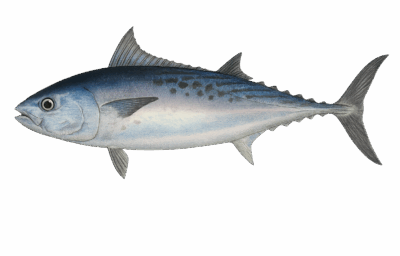
Little Tunny
Euthynnus alletteratus
Tackle we used for the day
Backed by some of the biggest names in the industry, Stefano had us fishing with top-tier gear and tackle.
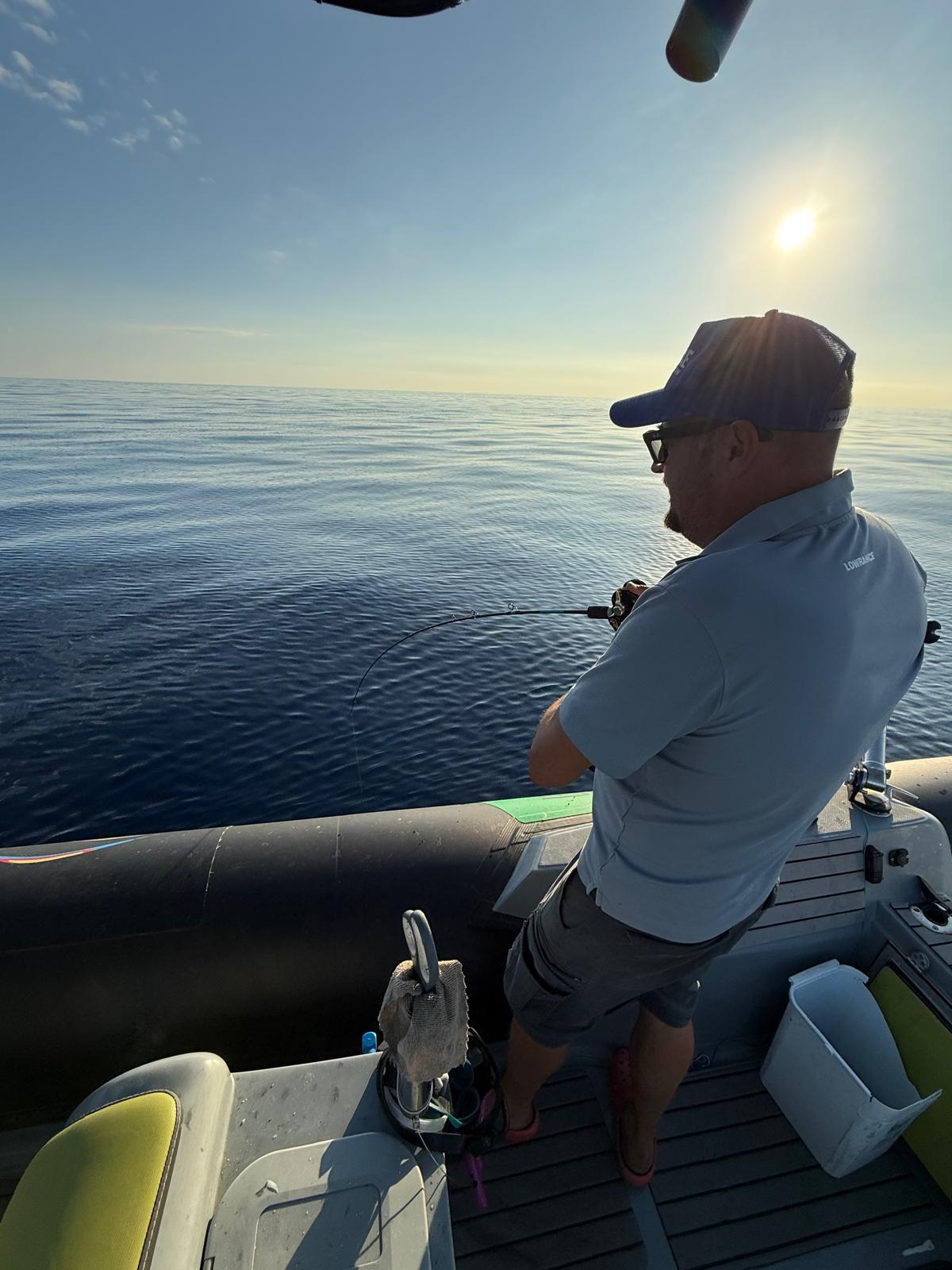
Rods: 6’6″ Medium fast tip action spin rods (Kona Capture 150)
Reels: Daiwa Saltiga 10H Overhead Reel
Line: 30lb braid with 30lb leader
Lures: Xesta Slow Emotion FLAP 180g (pink & white)
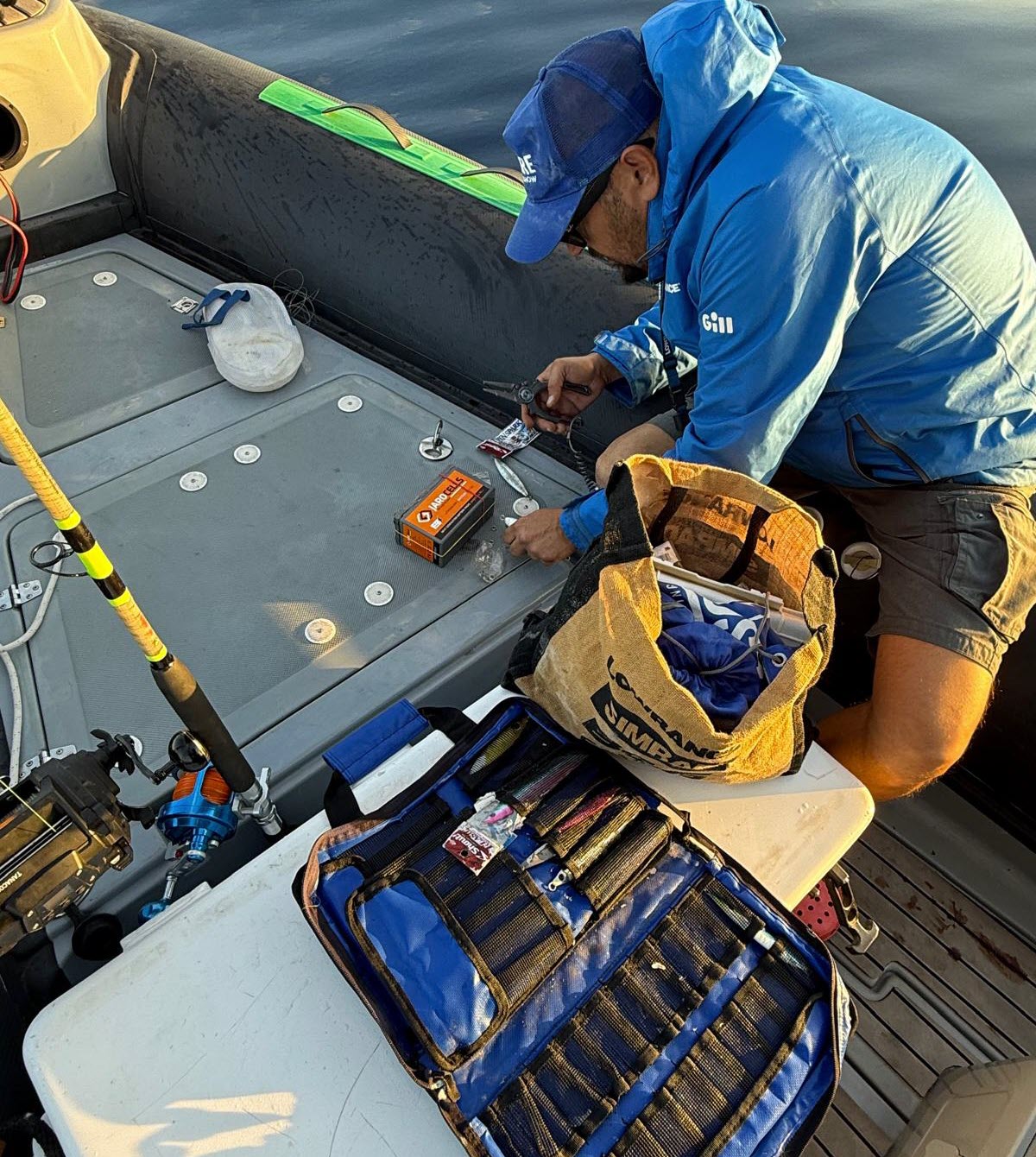
Our techniques for the day
The technique for the day was slow-pitch jigging, working methodically across bait-rich reef systems. We’d spot-lock the electric motor over key marks, drop our jigs, and work them 2–3 turns off the bottom before unlocking and drifting across the structure. The main focus was to pitch the jig up through the lower 30 metres, letting it flutter naturally back down to the seabed — that’s when most strikes came.
Slow-pitch jigging in 120+ metres of water, especially with wind and current, can be challenging. Having an expert like Stefano made all the difference — he coached the rhythm and technique, sharing subtle tricks that made all the difference — the kind you only pick up firsthand when you book a trip with him.
It was all about precision, patience, and feel — a deliberate style that transformed deep water drifts into explosive hits from below.
Top tips from Stefano on Sardinia Lure Fishing
What species can anglers catch in northern Sardinia (Palau & La Maddalena) across the seasons — spring, summer, autumn, and winter?
Up here between Palau and the La Maddalena Archipelago you can catch fish year-round; you just adjust to the season.
Spring – You’ll find dentex and grouper on the reefs, early amberjack, and bonito or little tunny on the edges as baitfish move in.
Summer – Amberjack dominate structure, pelagics like bluefin tuna, mahi-mahi and barracuda show up around the archipelago, and dentex/grouper still hit deeper reefs.
Autumn – My favourite: the combination of tuna runs, bonito/little tunny on the surface, and strong dentex & amberjack on jigs as water cools and currents calm.
Winter – Dentex and grouper hold tight on deeper rocks, sea bass work the inshore lines when the weather allows, and squid are a reliable option for both bait and table.
If you’re not sure when to come, I’ll plan the trip based on conditions — whether it’s catching pelagics when the sea is alive or targeting reefs when the moon and current line up. That’s the advantage of fishing La Maddalena’s reef-to-bluewater layout.
Many visitors to Sardinia focus on beaches, shopping, and restaurants. Why should they consider fishing as part of their trip?
Most people come to Sardinia for the beaches and the food — and that’s fair, they’re incredible — but they have no idea what they’re missing just offshore. The waters here are full of life, and in less than 30 minutes you can be jigging over deep reefs or chasing tuna in the blue.
Fishing here isn’t just about catching fish; it’s about seeing another side of Sardinia — the quiet islands at sunrise, the clear water, the dolphins and seabirds following the boat. Every day is different, and every trip tells a story.
For people who already love the sea, fishing completes the experience. You can spend the morning catching dentex or amberjack, and still be having lunch on the beach or exploring La Maddalena in the afternoon. It’s the perfect mix of adventure and relaxation.
Which fish are the most sought-after trophies in the area, and what makes them so special to target?
When people ask what the ‘trophy fish’ are here, I always say it depends on what you love — power, beauty, or challenge.
For most anglers, dentex and amberjack are the two standouts. The dentex is pure muscle and intelligence — it fights hard and tests your technique, especially on jigs. The amberjack, on the other hand, is just raw strength. When it hits, it feels like you’ve hooked a train, and getting it off the reef is a real test of skill.
We also have bluefin tuna, which are incredible when they show up close to the islands, and for light-tackle fans, bonito, little tunny, and mahi-mahi are non-stop fun. Even the dusky grouper is a prized catch — heavy, stubborn, and full of character.
Each fish here has its own story, and that’s what makes this area special — you never know what’s going to hit next.
What fishing techniques do you specialise in, and which ones are most effective for different species?
I specialise in vertical and slow-pitch jigging, techniques I’ve helped pioneer here in the Mediterranean. At the same time, I run trips for live-bait trolling, coastal drifting, and deep bottom fishing — all tailored to match the species and conditions of Sardinia.
Vertical & Slow-Pitch Jigging are ideal for reef predators like dentex, amberjack, and grouper. They’re also extremely effective for mid-to-deep pelagics when the conditions call for finesse.
Live-bait trolling excels when targeting bluefin tuna and other fast-moving predators on the drift or current breaks.
In short — whatever the season or species, I’ll choose the technique that fits the moment, teach you the rhythm, and help you land the fish that makes your trip unforgettable.
What tackle and gear do you use on your trips, and do guests need to bring anything of their own?
I equip the boat with premium gear from leading brands — Lowrance and Simrad electronics, Artico rods, Daiwa and Shimano reels, and Railblaza accessories — so every trip is backed by the very best. While all tackle is provided, guests are encouraged to bring sun block, extra clothes, motion-sickness prevention, and a waterproof jacket.
What are your top tips for slow-pitch and mechanical jigging, and do you have a favourite jig or lure style for this method?
For both slow-pitch and mechanical jigging, the biggest tip I give every angler is to focus on rhythm, not power. Many people move the rod too aggressively — but it’s the pause and fall that trigger the bite, not the lift. The jig should dance, not race. Let it flutter, let it breathe.
Another key is to always read your sounder. Don’t just drop where you see structure — drop where you see life. If you can find bait or marks mid-water, work your jig through that zone instead of staying on the bottom. That’s where most of the big hits happen.
I like to mix things up depending on the current and depth. For slow-pitch, I often use long, flat jigs around 200–300 g that have a wide fall and good flutter. For mechanical jigging, I switch to a narrower, center-balanced jig that cuts through faster water and reacts to a quicker lift-and-drop rhythm.
If I had to pick a favourite, it would be a pink or blue-sardine pattern jig — colours that match the baitfish here perfectly and work year-round. But the real secret is finding the right rhythm for the day — once you feel it, everything else falls into place.
How much do tides, moon phases, and time of day influence fishing in Sardinia, or is the archipelago productive right through the day?
Tides and moon phases definitely play a role, but here in Sardinia the fishing can be productive right through the day — it’s more about reading the conditions.
When the tide and current move, fish become more active, especially dentex and amberjack around structure. The moon phase can also make a difference — the days leading up to and after a full or new moon usually give stronger currents and more feeding activity.
As for time of day, early morning and late afternoon are always special — calmer light, less boat traffic, and often the best surface activity. But I’ve also seen incredible bites at midday when the drift and current were perfect.
In short, we can catch fish anytime — the key is to adapt. Knowing when to stay deep, when to move, and how to work the rhythm of the sea is what makes all the difference.
For guests booking a trip, what is the single best time of year if they want the widest variety of species in one day?
The best time of year for variety is late spring through early autumn — roughly May to October. During this period, the water temperature, bait movement, and currents all line up, and you can target everything from reef predators to pelagics in the same day.
You might start the morning jigging for dentex and grouper, then switch to chasing amberjack or bonito, and finish the day with tuna or mahi-mahi if the conditions are right. It’s the season when the sea is alive and every drift can bring a surprise.
That’s the time when I tell guests to come if they want the full Sardinian experience — calm seas, great weather, and the widest mix of species in one trip.
What’s the average size fish people generally catch on your charters?
Catch size depends a lot on the technique and time of year, but on average most guests land fish between 2 and 8 kilos — solid dentex, bonito, and amberjack in that range are common on most trips.
When conditions line up, we often see much bigger fish. Amberjack over 15 kg and dentex over 10 kg aren’t rare, and occasionally we hook tuna or grouper that push well beyond that. The beauty of fishing here is that you never really know — one drift it’s a 2 kg bonito, the next it’s a 20 kg amberjack. That’s what keeps it exciting.
How does fishing in Palau compare with other well-known Mediterranean destinations?
Palau and the La Maddalena Archipelago are unique because everything is so close together. In one short run you can fish reefs, deep drop-offs, and blue water, all within sight of the islands. That mix of structure and current makes it one of the most productive areas in the Mediterranean.
Other destinations might offer one type of fishing — just pelagics or just reef species — but here you can do both in the same day. You can start the morning jigging for dentex or grouper, then drift into open water for amberjack, tuna, or mahi-mahi when the current lines up.
The water clarity, bottom structure, and the variety of fish make this place special. I’ve fished all over the Mediterranean, but Palau has that perfect balance — easy access, great conditions, and real potential for big, quality fish on every trip.
Do you encourage catch-and-release, and which species are most commonly released versus kept?
I always encourage catch-and-release whenever possible — it’s an important part of protecting our fishery and keeping these waters healthy for the future. Most pelagic species like bonito, little tunny, and mahi-mahi are released unless the guest wants one for the table, while smaller reef fish are often let go to fight another day.
The only exception is with deepwater reef species, like large grouper or john dory, which can’t always be released safely because of pressure changes. In those cases, we make sure nothing is wasted — the fish is kept with respect and used fully.
It’s all about balance: fishing responsibly, following local regulations, and ensuring every fish is handled carefully so we can keep enjoying this incredible fishery for years to come.
What’s the best way to book with you, and how far ahead should guests plan — especially during peak season?
The best way to book a trip is directly through my website, where you can see the types of fishing I offer, the boat details, and available contact options. I handle each booking personally, so I can tailor the trip based on your experience, target species, and the time of year you’re visiting.
During peak season — from May to September — it’s best to book at least four to six weeks in advance, as those dates fill quickly, especially for weekends and multi-day trips. Outside that period, there’s usually more flexibility, and we can often arrange something on shorter notice.
Whether you’re an experienced angler or trying jigging for the first time, I make sure every trip is planned around the conditions and your goals — so you get the best possible experience on the water.
Photos of our day on the water with Stefano
If visiting Sardinia, fishing is a must do!
Most travellers think of Italy for its culture, cuisine, and coastline — but few realise just how incredible its sportfishing really is. The waters off La Maddalena are alive with action, from hard-fighting pelagics to colourful reef dwellers, all set against a backdrop of stunning Mediterranean scenery.
Our day on the water with Stefano Adami proved just that. Across multiple reef systems and deepwater drifts, we landed over 15 fish spanning nine species, including dentex, john dory, and tuna — each strike a reminder of how rich and untapped these waters truly are.
Between the changing currents, deep reefs, and crystal-blue horizons, Sardinia delivers an experience that rivals the world’s top jigging destinations. Whether you’re an experienced angler or just looking for something beyond the beaches and boutiques, this corner of the Mediterranean deserves a place on your fishing bucket list.
Book a trip with Stefano Adami and discover one of Italy’s best kept secrets – world class sportfishing in Sardinia.
Other Fishing Guides & Trips
Fishing in Malaysia: Targeting Giant Snakehead in Rivers and Lakes
Triggering Explosive Strikes With Multiple Tactics! Fishing the Freshwaters of Kedah: Inside Giant...
Visiting Hawaii? Add a Fishing Charter in Waikiki to Your To‑Do List (Marlin, Tuna & Mahi Mahi)
Visiting Hawaii? Add a Fishing Charter in Waikiki to Your To‑Do List Marlin, Tuna and Mahi Mahi — big game...
Beyond Fashion and Food: Italy’s Epic Sportfishing Off Sardinia
Beyond Fashion and Food: Italy’s Epic Sportfishing off La Maddalena, Sardinia Lure jigging deep reefs and blue...
Catch Trophy Jewfish on The Hawkesbury - Big Mulloway With Proven Lure Tricks & Hotspots
Catching Trophy Jewfish on The Hawkesbury. Big Mulloway With Proven Lure Tricks & Hotspots ...
Epic Port Stephens Fishing Charter: Flathead, Bream, Jewfish & Tuna
Epic Port Stephens Fishing: Flathead, Bream, Jewfish & Tuna Join us in Nelson Bay with local guide Paul Lennon...
Hilton Head Fishing: Where Families and Serious Anglers Both Win
From kids to pros, Hilton Head delivers unforgettable fishing action! Fishing Hilton Head’s...
Winter Fishing Sydney Harbour: The Perfect Way to Get the Kids Outdoors
Hooked on Fun, One Fish at a Time A Family Day of Fishing Fun on Sydney Harbour Sydney Harbour...
Non-Stop Action: Catching Loads of Fish with Noosa River Fishing Safaris
Fishing The Noosa River, The Best Thing To Do In Noosa. Noosa is famous for its beaches, boutiques, restaurants, and hiking...

Trout and Salmon Fishing Lake Takepo New Zealand
Targeting Rainbows, Browns and Salmon Fishing Lake Tekapo's Rivers, Dam and Canals Lake Tekapo,...

Peacock Bass Fishing in Singapore: A Hidden Gem for Anglers
Catching Peacock Bass in Singapore A Bucket List Fish in the City Catching the mighty Peacock...

Hawkesbury River Bream Fishing
Catching Bream Based on Tide - Never Fail Techniques! Fishing The Hawkesbury & It's Incredible...

Sydney Harbour Kingfish Fishing With Craig McGill
Kingfish tactics, baits, locations and more! Fishing Sydney's Iconic Waters For Kingfish Sydney harbour is...