

Considering a fishing boat? Here’s what to know.
Whether you’re targeting estuary species close to shore or heading wide in search of pelagics, choosing the right fishing boat is essential. From compact tinnies to capable offshore vessels, each type is designed with a specific purpose in mind. The best option depends on where you fish, how often, budget, and the experience you’re after. Below is a breakdown of the three main categories of fishing boats—covering performance, comfort, maintenance, cost, and suitability.
Types of Fishing Boats: Matching Boat to Purpose
Fishing boats generally fall into three core categories: inshore runabouts, versatile all-rounders, and dedicated offshore big game boats. Each has its own strengths, limitations, and ideal conditions. Understanding these differences will help you make a confident, informed decision.
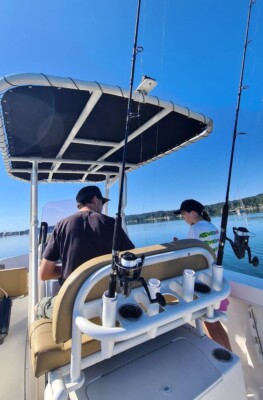

Inshore Runabouts
Compact & trailerable
Best for: Fishing in lakes, rivers, estuaries, and bays; also suited for crabbing, family cruising, and exploring calm coastal waters
General size: 4.2m – 6.5m
Construction: Lightweight aluminium or fibreglass hulls
Features: Side or centre console layouts, forward casting decks, rod holders, anchor wells, basic electronics, underfloor storage, and fold-down seating. Easy to tow, launch, and store.
Price range: $12,000 – $65,000+
Popular brands: Quintrex, Stacer, Sea Jay, Polycraft, Savage, Clark

Versatile All-Rounder
mid-size for inshore & offshore
Best for: Fishing in bays, harbours, estuaries, offshore reefs (in fair conditions), as well as family boating, towing, and overnight trips
General size: 5.5m – 7.5m+
Construction: Deep-V fibreglass or plate aluminium hulls
Features: Cuddy or walkaround cabins, side or centre consoles, rear bait boards, live wells, rod storage, dual batteries, sounder/GPS combos, rear seating, and optional toilets or sleeping bunks.
Price range: $45,000 – $175,000+
Popular brands: Whittley, Grady White, Bar Crusher, Haines Signature, Stabicraft, Boston Whaler, Trophy

Offshore Game Fishing
Large, purpose-built boats
Best for: Targeting pelagic species in offshore waters; also suited for extended trips, live-aboard use, and tournament fishing
General size: 7.5m – 12m+
Construction: Heavy-duty fibreglass or aluminium hulls
Features: Enclosed cabins or flybridges, large fuel capacity, outriggers, live bait tanks, tuna tubes, game chairs, multiple electronics displays, ample rod storage, and sleeping/shower amenities for multi-day trips
Price range: $200,000 – $1mil+
Popular brands: Grady White, Boston Whaler, Riviera, Hatteras, White Pointer, Caribbean, Gamefisher
More than just fishing vessels, today’s boats blend capability, comfort, and versatility — purpose-built for anglers who do more than just fish.
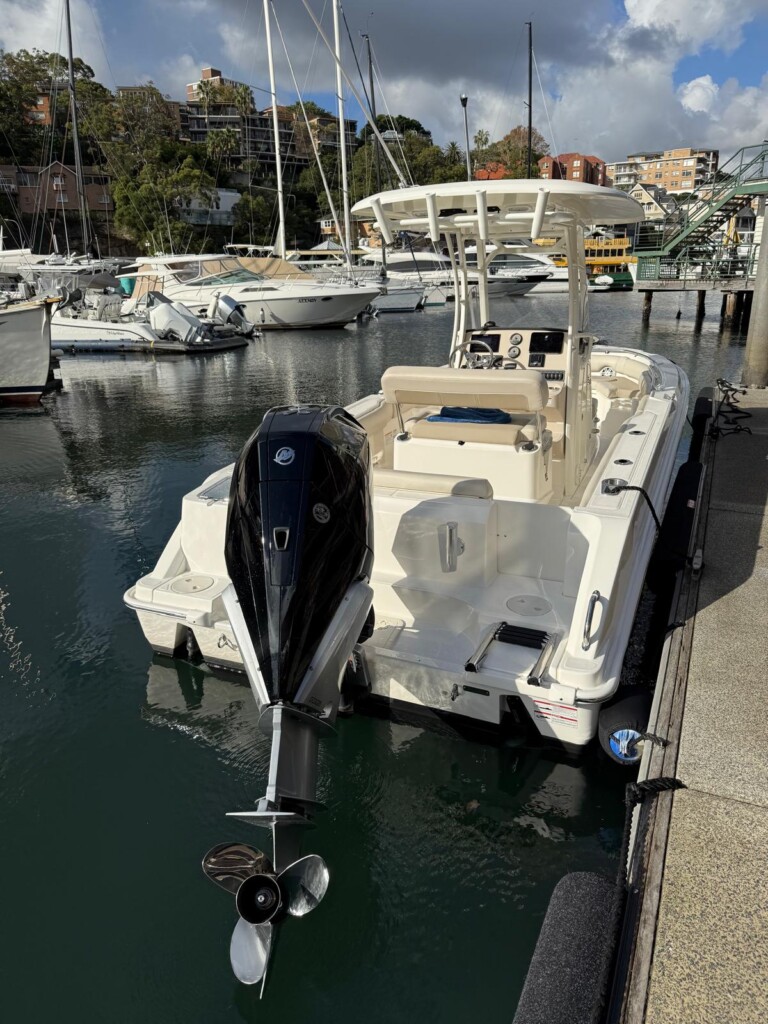
Before You Buy: Key Considerations
Fishing boats come in all shapes and sizes, picking the wrong one can cost you money. Matching the boat to your fishing style, location, and lifestyle is key to getting the most out of it.
- Primary Use: Are you casting lures in shallow creeks, dropping baits offshore, or doing a bit of both? Choose a hull and layout designed for your main fishing grounds and target species.
- Material Type: Aluminium is tough, lightweight, and ideal for launching off beaches or navigating tight estuaries. Fibreglass delivers a smoother ride in chop and often includes more refined finishes.
- Features & Layout: Prioritise fishing space and flow. Look for casting decks, live bait tanks, rod storage, sounder mounts, and shade options that match your fishing style.
- Size & Capacity: Consider how many people you’ll usually fish with, the gear you carry, and the type of water you plan to tackle—then balance that with what you can tow and store at home.
- Budget: Factor in more than just the boat. Add costs for electronics, safety gear, trailer, rego, fuel, servicing, and upgrades like electric motors or outriggers.
Accessories You’ll Likely Need
Fishing boats are more than hull and horsepower — having the right gear on board keeps your trips safe, compliant, and fishing ready.
Essentials:
- Approved PFDs/lifejackets (required by law)
- Anchor, chain, and rope suited to your fishing grounds
- Safety kit (flares, fire extinguisher, whistle/horn, first aid)
- Mooring lines and fenders (for docking and ramps)
- Boat cover (for protection when stored or trailered)
- Quality bilge pump (especially for offshore-capable boats)
Fishing-Specific Must-Haves:
- Bait board or cutting station
- Live bait tank or plumbed esky
- Fishfinder/chartplotter combo unit
- Electric trolling motor
- Landing net, gaff, and measuring mat
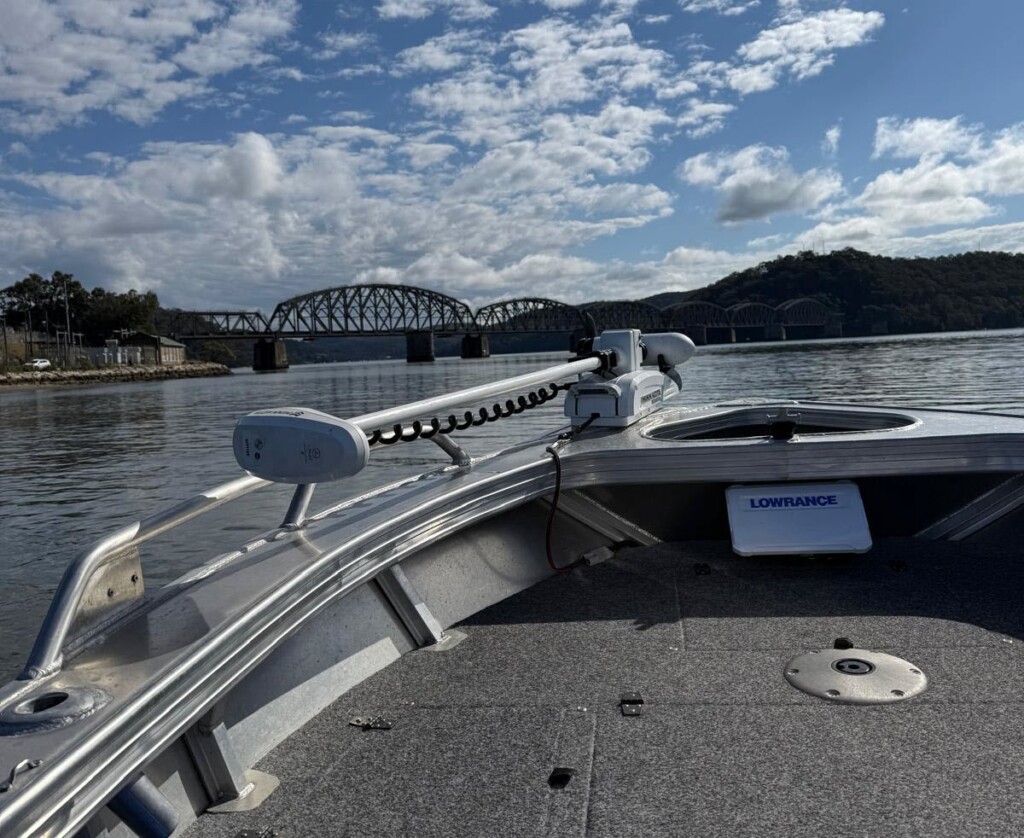
Maintenance & Care Tips
Fishing boats are built to handle tough conditions, but they still need regular care to perform at their best. Whether you’re running aluminium or fibreglass, staying on top of cleaning and upkeep will extend your boat’s life — and avoid costly surprises.
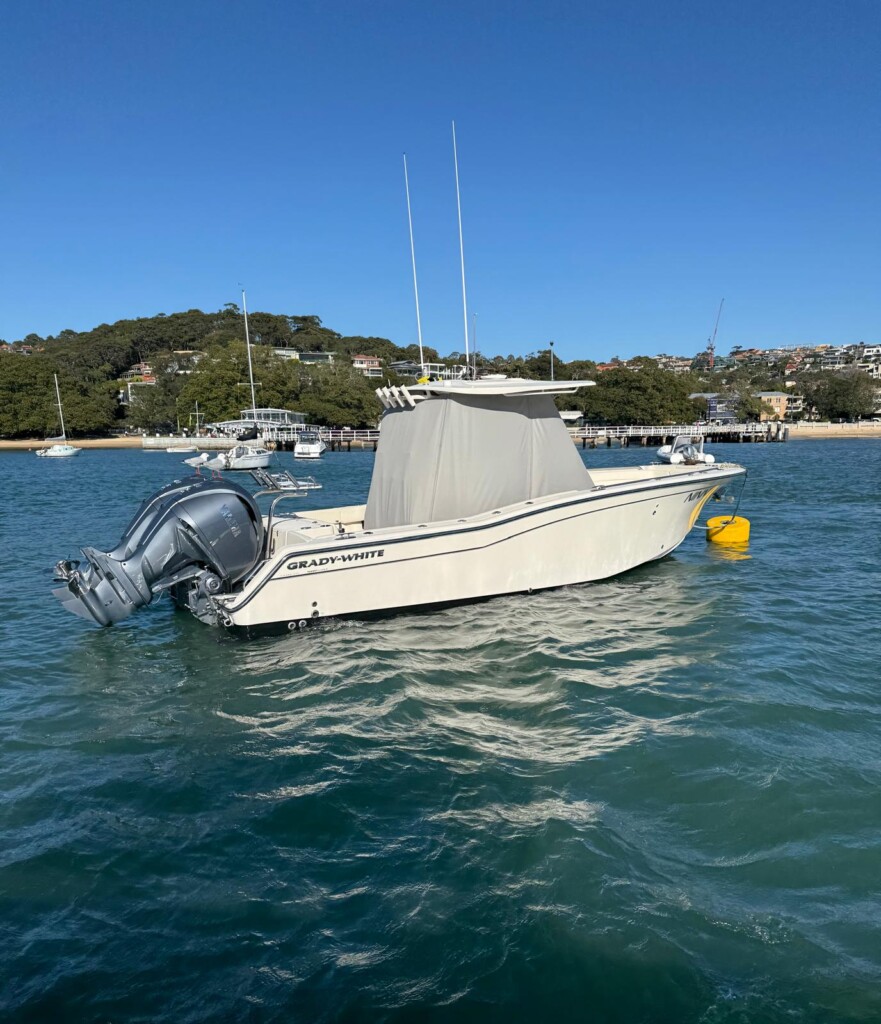
Flush the Engine — Every Time
After fishing in saltwater, flushing your outboard is non-negotiable. Salt deposits can wreak havoc on internal cooling passages, even after a single trip. Use earmuffs or a built-in flush port, and let fresh water run through for several minutes. It’s one of the simplest ways to extend engine life.
Clean the Deck, Kill Tanks & Bait Areas
Fishing leaves mess — from bait residue to blood, scales, and fish slime. After every outing, rinse down the deck, bait board, kill tank, and live wells using fresh water and a soft-bristle brush. Use marine-safe cleaners to cut through grime and prevent lingering odours or bacterial build-up.
Maintain Your Electronics & Sounder Units
Salt spray, UV, and moisture can shorten the lifespan of fish finders, GPS units, and wiring if not cared for. After use, wipe down screens with a soft cloth, check for salt crusting on connections, and inspect cabling for wear. Keep terminals dry and protected with dielectric grease.
Inspect and Rinse Your Rod Holders & Fittings
Saltwater and constant motion can loosen or corrode deck hardware. Rinse rod holders, cleats, mounts, and rails after each trip, and regularly check screws and bolts for tightness. A quick once-over prevents costly repairs—and keeps your gear secure while underway.
Check and Dry Safety Gear
Fishing boats often store safety gear in damp, enclosed spaces. After each trip, inspect lifejackets, EPIRBs, fire extinguishers, and flares for wear or expiry. Air out soaked PFDs and remove moisture from compartments to prevent mildew and corrosion.
Trailer Maintenance is Boat Maintenance
If you’re trailering your fishing boat, your trailer needs just as much attention. Wash off salt after retrieval, inspect winches, lights, rollers, and brakes, and grease the hubs regularly. A failed bearing or strap can end your day before it starts.
Warranty & Brand Reputation
With fishing boats, brand reputation isn’t just about name recognition — it reflects real-world reliability, build quality, and the level of support you’ll receive after the sale. Trusted manufacturers typically offer solid warranty coverage, with hull protection lasting up to 10 years and engines backed by major outboard brands like Yamaha, Mercury, or Suzuki.
Entry-level or lesser-known brands can be tempting on price, but may offer limited warranty terms, difficult parts availability, and patchy service networks. Before buying, take the time to review what’s actually covered — including conditions, exclusions, and service requirements. Sticking with a reputable brand often means stronger resale value, easier servicing, and far fewer surprises down the track.
Don’t Just Buy a Fishing Boat – Buy the Right One
Buying a fishing boat isn’t just about length, horsepower, or how many rod holders it has — it’s about finding a boat that suits the way you fish, and where you want to go next. Whether you’re flicking soft plastics in the estuary, running wide for tuna, or doing a bit of everything with the family, the right boat balances capability, comfort, and long-term usability. Take your time. Look for quality construction, a smart deck layout, and features that match your fishing style now — and what it might grow into. A well-matched boat means more time on the water, and fewer headaches getting there.
FAQs
What’s the best type of fishing boat for both inshore and offshore use?
If you want one boat to handle estuaries, bays, and light offshore runs, look for a 6–7.5m fibreglass or plate aluminium hull with a deep-V or variable deadrise. Cabin boats and centre consoles in this size range offer the best balance between fishability, range, weather protection, and towability. Add dual batteries, a sounder/GPS combo, and at least 150HP for reliable offshore performance.
How much horsepower does a fishing boat really need?
The ideal horsepower depends on your hull size, load, and conditions. A good rule of thumb is to power the boat with 75–90% of its maximum rated HP. Underpowering reduces fuel efficiency, hole shot, and offshore safety. For a 6.5m boat, 150–200HP is typical, while 4.5m tinnies often run well on 30–60HP. Always follow the builder’s compliance plate.
What’s better for fishing: centre console, side console, or cabin boat?
It depends on how and where you fish.
-
Centre consoles: Best for all-round fishing and 360° access; ideal for offshore and casting lures
-
Side consoles: Great visibility and deck space for solo or estuary fishing; simpler layouts
-
Cabin boats: Offer shelter, storage, and overnight potential — ideal for mixed family/fishing use
Match your layout to your fishing style, crew size, and typical weather.
How do I know if a fishing boat is safe for offshore use?
Look for boats with a deep-V or variable deadrise hull, positive flotation, self-draining decks, and a minimum length of 5.5m. Safety gear is non-negotiable — EPIRB, VHF, flares, and dual batteries are essential. Always check the boat’s compliance plate, ensure it’s rated for offshore use, and monitor forecast conditions carefully. No boat is offshore-safe in the wrong weather.
What is the real cost of owning a fishing boat long-term?
Beyond the initial purchase, you’ll need to budget for:
-
Registration & insurance
-
Annual servicing ($300–$1,200 depending on size)
-
Fuel, oil & launch fees
-
Trailer maintenance
-
Safety gear & electronics upgrades
-
Storage or mooring (if not trailered)
Even small boats come with ongoing costs. For a mid-size offshore-capable boat, expect $2,000–$5,000+ annually, depending on use.
Aluminium vs Fibreglass: Which is better for a fishing boat?
Aluminium boats: Tough, light, low maintenance, ideal for shallow water, beach launches, or rough access
Fibreglass boats: Smoother ride, better sound insulation, more refined finishes, preferred offshore
If you fish estuaries and rivers, aluminium is often better. If you’re running offshore regularly, fibreglass provides better comfort and stability in chop.
What safety gear is legally required on a fishing boat in Australia?
Requirements vary by state and by distance from shore, but core gear typically includes:
-
Approved lifejackets for each person
-
EPIRB (if venturing >2 nautical miles offshore)
-
Flares
-
VHF or 27MHz radio
-
Anchor, bailer, and fire extinguisher
-
Navigation lights (for low light conditions)
Check your local maritime authority’s exact regulations (e.g. NSW Maritime, QLD TMR), as fines for non-compliance can be severe.
How often should I service my fishing boat engine?
Follow the manufacturer’s recommendation — usually every 12 months or 100 hours, whichever comes first. Even boats that sit unused should be serviced annually to prevent fuel contamination, corrosion, or electrical failure. Don’t skip the trailer either — wheel bearings, brakes, and lights need regular checks, especially after saltwater use.
What’s the best hull design for rough offshore conditions?
For open water fishing, look for a deep-V or variable deadrise hull (typically 18–24 degrees at the transom). This allows the boat to cut through chop instead of slapping across it. Brands known for their offshore performance often use reverse chines, foam-filled hulls, and wide beams for added stability and self-righting potential.
Can I finance a fishing boat, and what should I know before applying?
Yes — fishing boats can be financed similarly to cars, often through marine lenders, banks, or boat dealers. You’ll need:
-
Proof of income
-
Boat quote or invoice
-
Insurance coverage
-
Usually a deposit (10–20%)
Check the interest rate, loan term, early repayment options, and be wary of bundled “dealer finance” offers with inflated pricing. Pre-approval can give you more negotiating power and help define your true budget – Check boat loan options here.